By Harry Leibowitz, PhD World of Children Co-Founder and Co-Chair I have to say that I was offended by the government’s argument in the court case about reuniting children who were separated from their families before the July 2018 ruling. To me, children are NOT DISPOSABLE, but according to this attorney, the challenge to the…
Read Article
By Harry Leibowitz, PhD World of Children Co-Founder and Co-Chair I often write about the rights of children, and I usually research carefully and make my arguments with clarity. This time, I will not write anything myself, but simply ask you to study these two comments by President Donald Trump and his administration, both made…
Read ArticleBy Harry Leibowitz, PhD World of Children Co-Founder and Co-Chair I do not write about, or take sides publicly on political issues, but as co-Founder and chairman of World of Children, I see it as my responsibility to call out transgressions on the rights of children. Yesterday, the president of the United States did something…
Read Article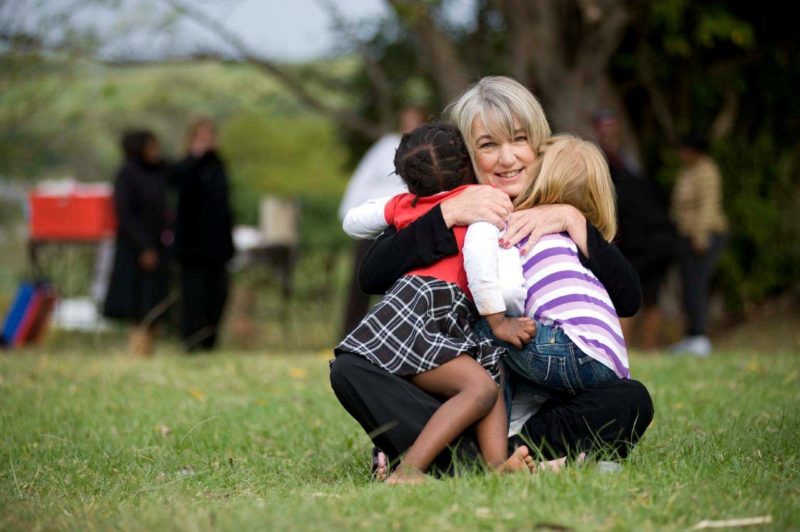
IRVINE, CA – January 8, 2019 – World of Children, a global organization that funds, elevates and educates nonprofit leaders running high-impact programs that exclusively serve the needs of vulnerable children, has announced today their annual call for nominations. Recognized in the media as the “Nobel Prize for Child Advocates,” World of Children offers awards…
Read Article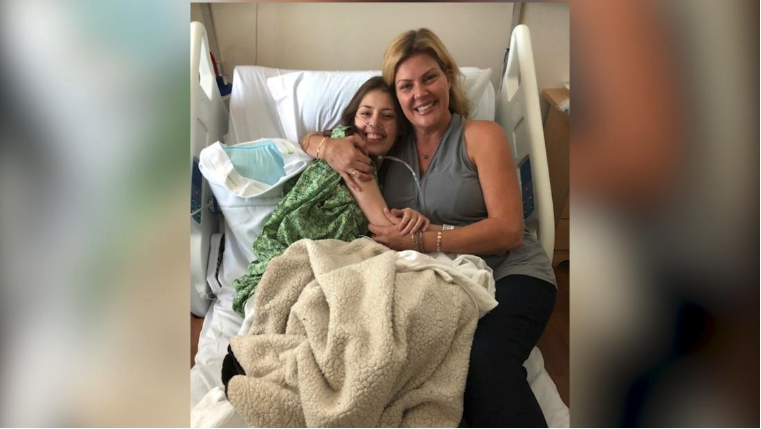
She expected to die young. Then came the call that offered new life. Originally posted on CNN.com by Jessica Ravitz Updated 4:27 AM EDT, Tue August 28, 2018 Claire Wineland has cystic fibrosis and vowed she’d never seek a double-lung transplant. But she had a change of heart, wasn’t ready to die and worked hard…
Read Article
By Harry Leibowitz, PhD World of Children Co-Founder and Co-Chair Sadly, today we live in a world where “facts” are irrelevant, where “fake news” has become the mantra of everyone in the political sphere who doesn’t like or disagrees with what is said about them and in which our entire set of standards and morals…
Read Article
It’s finally here! Celebrity ambassador Rachel Roy is celebrating her birthday by giving love to children in need with her much anticipated, all-new Camo LOVE Collection, just released TODAY! 20% of all proceeds will be donated to World of Children.
Read ArticleMadaLuxe Group, North America’s leading distributor of luxury fashion, today announced the opening of the MadaLuxe Vault, its first luxury off-price boutique in Los Angeles, and the launch of the store’s e-commerce site. MadaLuxe Vault will donate a portion of its retail and e-commerce sales to World of Children to fund high-impact programs dedicated to changing the lives of vulnerable children around the world.
Read ArticleOriginal Story published by The Herald News FALL RIVER — People who notice the clothing of others, including bosses looking to hire help, often look at the shoes of the applicant as an indication of how well he or she prepared for the interview. Other things count, of course, but so do the shoes. On…
Read ArticleEarlier this week, we we had the chance to catch up with our 2014 Youth Honoree Jaylen Arnold to chat about the recent release of Wonder and how the movie is tackling the every-present issue of bullying in schools.
Read ArticleOriginal story featured on Albany Democrat-Herald BROWNSVILLE — Although the nearly $90,000 the Makindu Children’s Program received from an international philanthropic organization is greatly welcomed, Makindu founder Winnie Barron said the networking and training seminars she attended as part of the award festivities were equally valuable. Barron was one of five leaders of international nonprofit…
Read Article“Let’s help children together … I will match every donation up to $15,000 for my birthday!”
Read ArticleMaureen Rover was having her usual coffee and muffin for breakfast one morning in the late 1990s when a newspaper story about New York City state test scores caught her attention. She was dismayed to see that a third of the city’s public-school children were far behind in reading at the crucial gateway of third…
Read ArticleFrom Look to the Stars Last week, World of Children, a global recognition and funding organization for individuals exclusively serving the needs of vulnerable children, celebrated the 2017 Honorees at the annual World of Children Awards 2017 ceremony at 583 Park Avenue in New York City. Over 400 guests gathered for a special evening of stories…
Read ArticleThis story was originally published on Pop Style TV Pop Style TV attended the annual World of Children Awards 2017 ceremony where five extraordinary individuals who have dramatically improved the lives of children around the world were celebrated. World of Children is a global organization for individuals exclusively serving the needs of vulnerable children. The evening…
Read ArticleOriginal story published on My Social Good News Five Child Advocates Recognized for Heroic Work with Children Cindi Leive and Ann O’Malley Honored with World of Children Board of Governors Awards Press Release – NEW YORK, NY – November 2, 2017 – Earlier this evening, World of Children®, a global recognition and funding organization for…
Read ArticleUnderstanding that children learn at their own speed and in their own way, the Reading Team fosters a comfortable, relaxed environment that allows them to settle in and just be themselves.
Read ArticleOperation Bobbi Bear is rebuilding the justice system for children in South Africa who have been abused so they can gain access to treatment, recovery and care. Operation Bobbi Bear acts as a filter between police and children who have been assaulted. Children who report abuse are taken to a safe, comfortable place rather than…
Read ArticleFighting for the rights of abused, marginalized and vulnerable children, she is giving them a voice and helping them heal through the power of a comforting stuffed bear.
Read ArticleAt just 17 years old, Teagan and Shred Kids’ Cancer are developing a new market for pediatric cancer research by fusing the power of music and the unstoppable energy of young people.
Read ArticleA champion for hope, Makindu Children’s Program is breaking the cycle of poverty through a community-based approach to the care, education, and empowerment of Kenya’s most vulnerable children.
Read ArticleLOSEV was founded in 1998 to provide access to free, life-saving treatments and a strong, holistic support system to children with leukemia and chronic blood disorders.
Read ArticleRachel Roy is showing her kindness, heart and support for World of Children, recently launching her all-new LOVE Collection available now at RachelRoy.com. All purchases from her limited-edition capsule collection include a 20% donation to help unlock the future for vulnerable children. An activist, champion and incredible advocate for World of Children, we are so…
Read ArticleWe are excited to congratulate Board Member Stephanie March on her recent wedding to Dan Benton! Stephanie and Dan have been active supporters of World of Children, and in 2016, Stephanie was honored with the Board of Governors’ Award for her ongoing commitment to unlocking the future for vulnerable children. Dan was warmly by her…
Read Article